Dear Futurists
I have some news to share about the major conference London Futurists is co-hosting in September.
There’s also news about
- Adopting Luma within London Futurists
- Our webinar tomorrow (Saturday)
- The petition we’re supporting on the topic of deep reforms of democracy
- What has been called “the third wave of philanthropy”
- A sad goodbye to a long-time member of the London Futurists organisational team.
For the details, read on.
1.) 15 speakers announced for 19-20 September
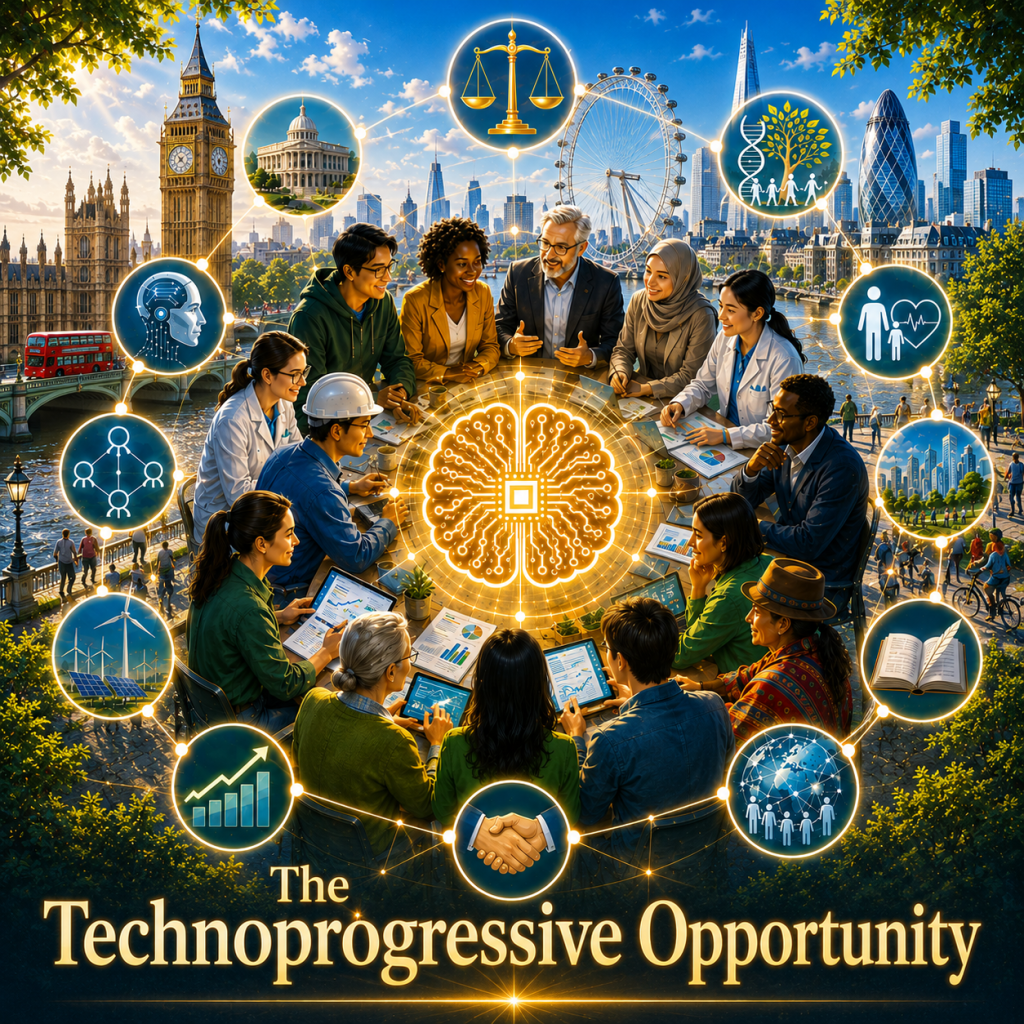
Plans are continuing to progress for the major conference, “The Technoprogressive Opportunity”, co-hosted by the IEET and London Futurists at the LSBU Hub in London SE1 on the weekend of 19-20 September.
We now have 15 confirmed speakers, who will each be addressing hugely relevant topics. You can read more details on this Speakers page.
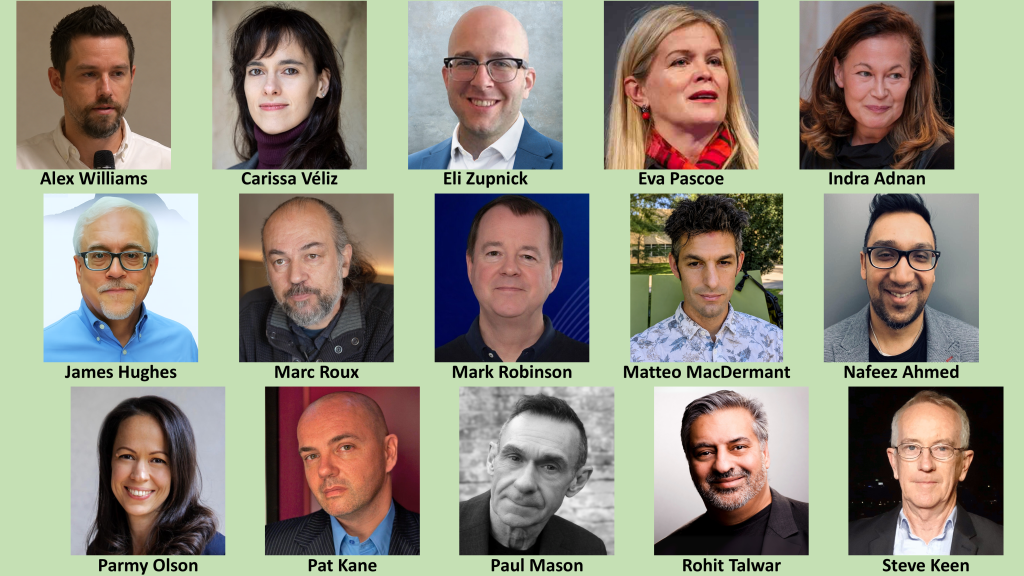
Several more names are likely to be added to the list in the next week or so.
The quick description of the event is as follows:
We live in a time of dramatic changes in the capabilities of technologies. Political and social norms are being disrupted as never before. Humanity faces both unprecedented risks and unprecedented opportunities.
How can society make wise decisions about which technologies to encourage and which to constrain?
How can society ensure that these decisions are followed in practice, rather than being ignored or subverted by powerful self-interested forces?
How can a technoprogressive coalition grow in strength, as a decisive counter to existing worldviews which are more likely to leave humanity diminished, fragmented, or even extinct?
As well as presentations and time for Q&A, both days will include a 90 minute break for lunch and networking, and another 30 minute refreshment break in the afternoon.
There’s no charge to attend this event.
We expect to have a number of books and other goodies to give away at the event. These offers will be provided in priority order to people who register early and who arrive at the venue early on either day.
As for how to register, there’s a change from what we’ve done for previous events. Read on…
2.) Embracing Luma
London Futurists has been using Meetup since 2009. Over that time, Meetup has evolved through three changes of ownership and several changes of focus. It’s still a great tool to spread information about events.
But newcomers to Meetup frequently report issues with it. So it’s no surprise that, in 2026, many organisations are adopting Luma.
For our two-day event in September (see previous news item), we’re going to use Luma as the primary means to register attendees, and to send messages about additional opportunities (such as joining special networking events with the speakers in the evenings).
Therefore, if you plan to attend that event – joining us physically at the LSBU Hub – please sign up on this page.
Once you have registered, please accept the prompts from the Luma page to spread news about this event among your own personal networks, encouraging them to register as well.
This opportunity is too good to keep it secret!
If you are an active member of Meetup, by all means also let people there know you are planning to attend, by RSVPing on this page.
3.) The Future Self: Transhumanism, Technology, and Flourishing
Our webinar tomorrow (Saturday), starting at 4pm UK time, has the title “The Future Self: Transhumanism, Technology, and Flourishing”.
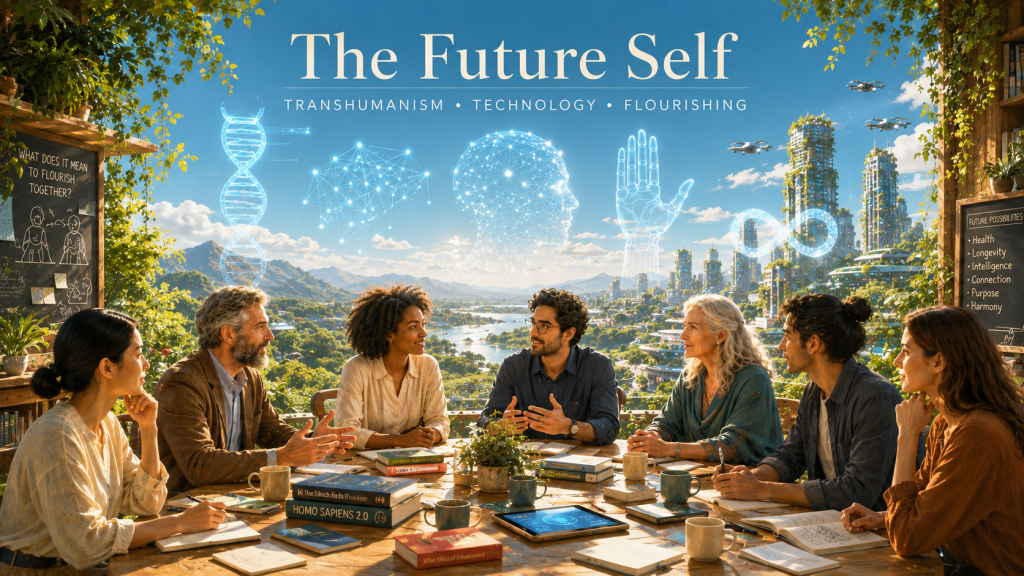
It features an opening presentation from Georg Theiner, one of the co-editors of the recently published volume, Technologies of the Future Self: An Ethics for Transhuman Flourishing, as well as commentary from an author of one of the chapters included in the book, Tracy Trothen.
Topics likely to be discussed include:
- Strengths and weaknesses of transhumanist narratives
- Conceptions of “human nature” and “flourishing”
- The roles of relationship, interdependence, and social justice
- Responses to the challenges of unprecedented technological disruption
- Should we welcome, or resist, a potential “Humanity 2.0”?
- Foundations for ethical decisions: Utilitarianism vs. virtues
The webinar will also include time for audience questions, feedback, and extended conversation.
For more information about this event and the speakers,visit this Meetup page.
You can also register directly on Zoom, here.
4.) Next steps with the London Futurists petition on deep reform of democracy
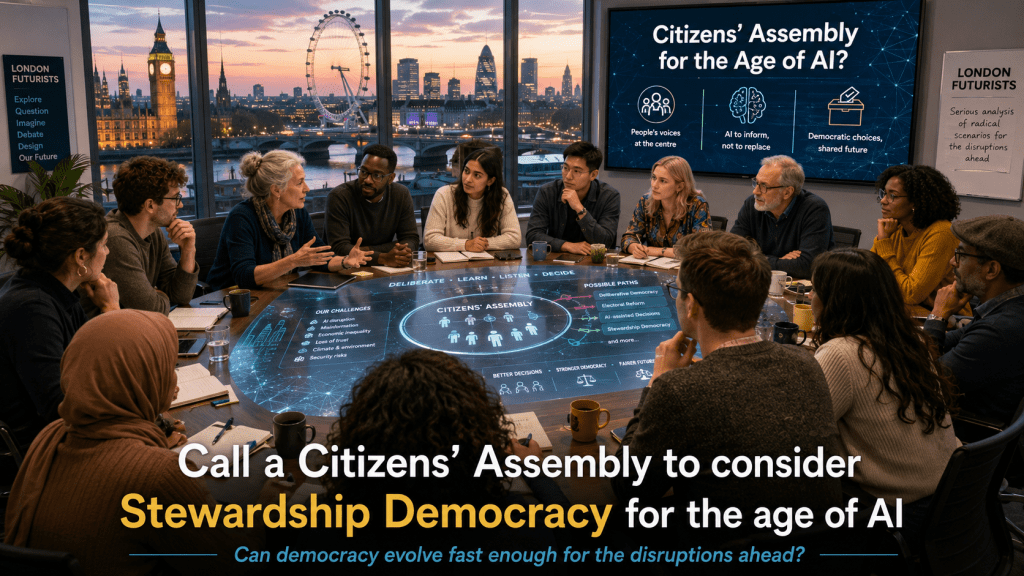
On Thursday last week (11th June), a number of members and friends of London Futurists held an online conversation about a UK government petition that is being launched, with the title “Call a Citizens’ Assembly to consider Stewardship Democracy for the age of AI”.
A recording of this conversation can be viewed here.
I’ve created a couple of posts – one on LinkedIn, and one on Facebook – which each gather the suggestions made at that meeting (and following it) about next steps with this initiative.
For convenience, here’s another copy of the list of suggestions.
- Find out which other groups (locally or overseas) are seriously considering similar initiatives, and establish connections when a relationship seems fruitful
- Review historical examples when groups with a hold on power were persuaded or inspired to give up some of their power structures
- Develop a list of potentially allied organisations and campaigns, and consider how to approach each
- Develop a list of experts who could be consulted by a potential Citizens’ Assembly on democracy reform
- Develop a list of key questions/issues/scenarios for a Citizens’ Assembly to consider regarding the future of democracy and the role of AI
- Share narratives of examples of stewardship behaviour
- Clarify how potential stewards would meet preconditions to become candidates for election
- Review scenarios in which stewards fall back into the same kind of failure modes that damage decision-making in conventional politics – and consider how these scenarios can be avoided
- Clarify how Stewardship Democracy could coexist with elements of participatory democracy in which citizens can override the votes of their stewards on particular issues
- Describe in more detail how today’s political systems could migrate into Stewardship Democracy; what trajectories might apply for existing MPs, civil servants, local politicians, etc
- Agree online location(s) where more discussion and coordination of this initiative can take place (example: the London Futurists page on LinkedIn, or on Facebook, or the London Futurists Discord)
- Engage with people who have relevant experience in running this kind of campaign – potentially as strategy consultants, funding coordinators, social media managers, etc
- Review and extend the content of the FAQ about the petition, petition.londonfuturists.com
If you have feedback on any of these suggestions, please leave comments on whichever platform you are most comfortable using.
Thanks in anticipation!
5.) The third wave of philanthropy
A recent article by Nan Ransohoff is well worth reading: “The third wave of American philanthropy”.
The article is subtitled “AI is about to generate hundreds of billions in new philanthropic funding. We have a huge amount of work to do to make the most of it.”
Two previous waves of philanthropy can be identified, when a number of people who had become enormously wealthy due to their roles in (respectively) the second and third industrial revolution, before subsequently giving away significant portions of their wealth to a number of landmark philanthropic causes.
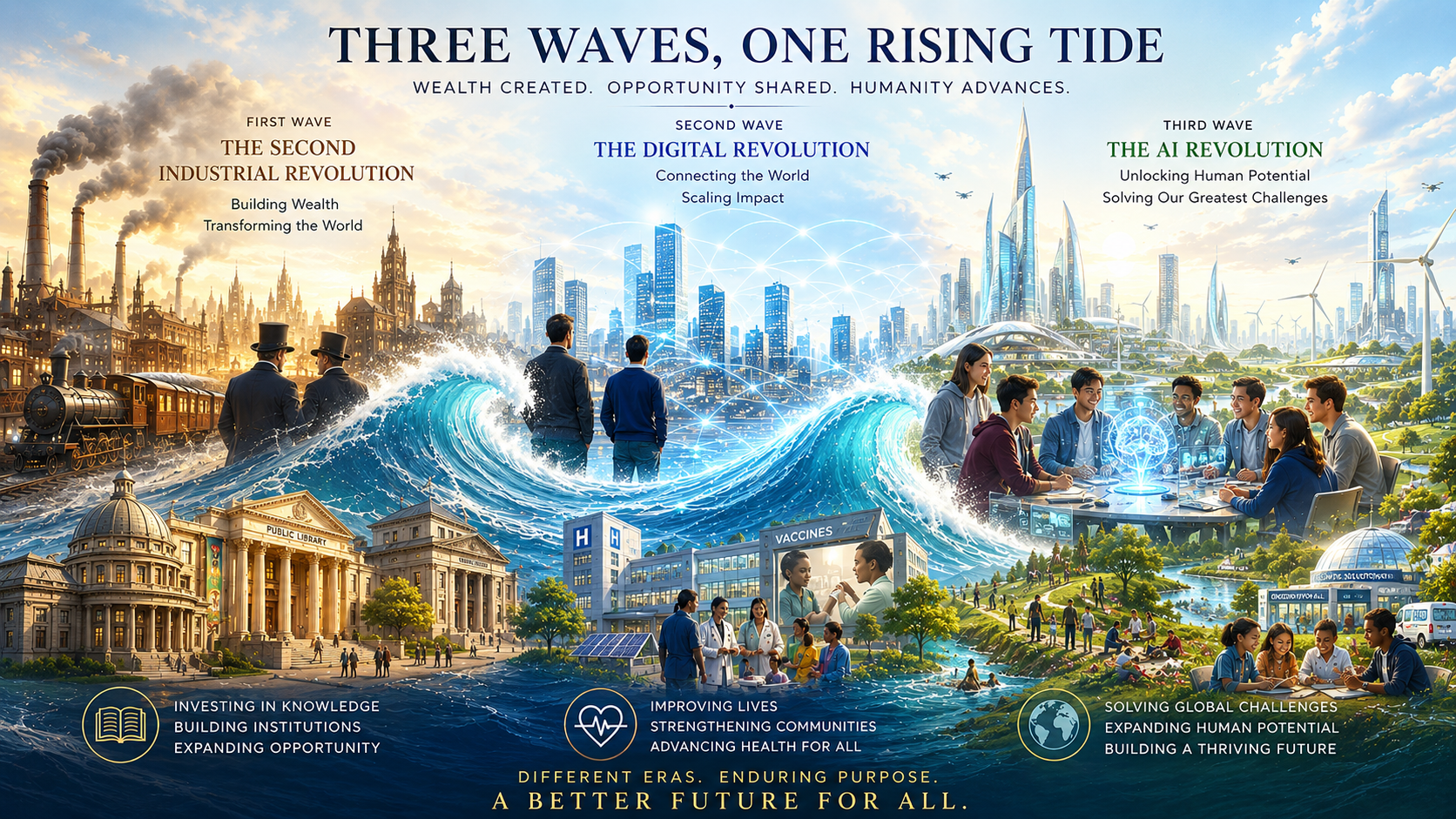
As Nan explains,
Hundreds of billions of dollars in new philanthropic capital will soon become liquid. The OpenAI Foundation holds 26% of OpenAI, worth about $220B at today’s valuation. Anthropic’s seven co-founders have pledged to give away 80% of their wealth and have instituted the most aggressive donor matching program for employees in tech history.
How much does this all add up to? And how meaningful is that in the context of philanthropy today?
I was doing some simple napkin math to wrap my head around the scale of what’s coming, and radicalized myself in the process. I had dramatically underappreciated the scale of the philanthropic capital that’s about to become available and the corresponding gap in talent and organizations that will be needed to make the most of it.
One site where at least some employees in AI platform companies (e.g. OpenAI, Anthropic, and Google DeepMind) apparently look, for inspiration on which philanthropic donations they should make, out of their new-found wealth, is Manifund.
For that reason – and in my role as Executive Director of LEVF (the Longevity Escape Velocity Foundation) – I have drafted a funding request on Manifund on behalf of LEVF.
The request starts as follows:
LEVF: Searching for Synergies in Rejuvenation Biotechnology
The Longevity Escape Velocity Foundation (LEVF) seeks support for one of the most neglected and potentially important questions in aging research:
Can combinations of rejuvenation interventions produce dramatically greater benefits than any intervention alone?
Aging is the world’s largest cause of disease, disability, and death. More than 100,000 people die each day from age-related causes, while hundreds of millions live with frailty, dementia, cardiovascular disease, cancer, and other chronic conditions associated with biological aging.
Scientists have identified many promising interventions that target individual aspects of aging. Yet aging itself is a complex, multi-factorial process involving numerous interacting forms of biological damage.
If aging has multiple causes, it is unlikely that a single intervention will be sufficient. The greatest breakthroughs may instead come from intelligently combining interventions that act through different mechanisms.
LEVF’s RMR (Robust Mouse Rejuvenation) project aims to help determine whether such combinations can unlock substantially greater rejuvenation effects than any individual therapy can achieve alone.
In case you are acquainted with any philanthropically-minded employee of these companies who is on the point of becoming wealthy well beyond their previous expectations, please share that funding request with them!
6.) Rupesh Mahandru, 1973-2026
Many of you will know Rupesh Mahandru, who joined London Futurists in June 2012, and who was a regular attendee at our physical meetings over the years – at Birkbeck, the Marlborough Arms, and Ye Olde Cock Tavern.
As well as being a conversational live-wire with a vast range of interests, Rupesh was particularly friendly and helpful, often stepping forward as a volunteer for various organisational tasks.
Sadly, Rupesh passed away, suddenly, on 20th May, from unexpected complications from an illness that was not thought to be life-threatening.
He was just 52.
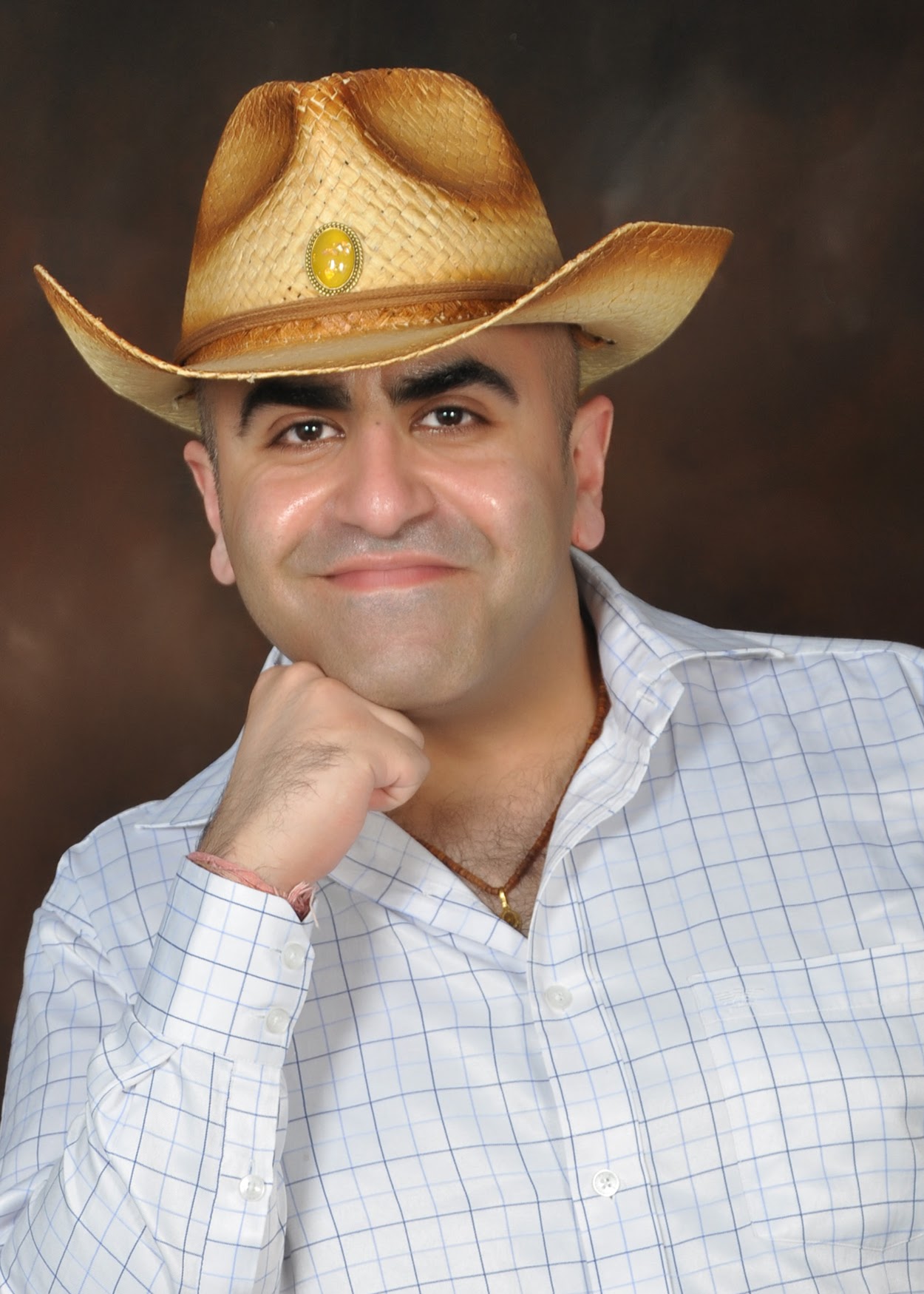
I had the privilege to attend his funeral ceremony in Ilford yesterday, when many attendees spoke of their warmth for Rupesh, of his devotion to his wife and daughter, and of his seemingly boundless curiosity.
May he be remembered well.
// David W. Wood – Chair, London Futurists


